Showing posts with label hallway. Show all posts

Wednesday, October 18, 2023

How to Add a Deep Durable Shine to Marble Tiled Flooring

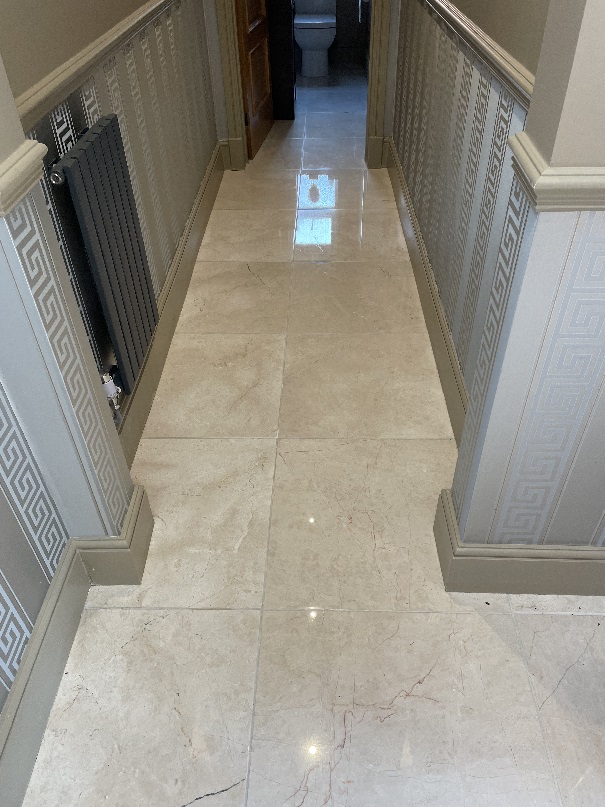
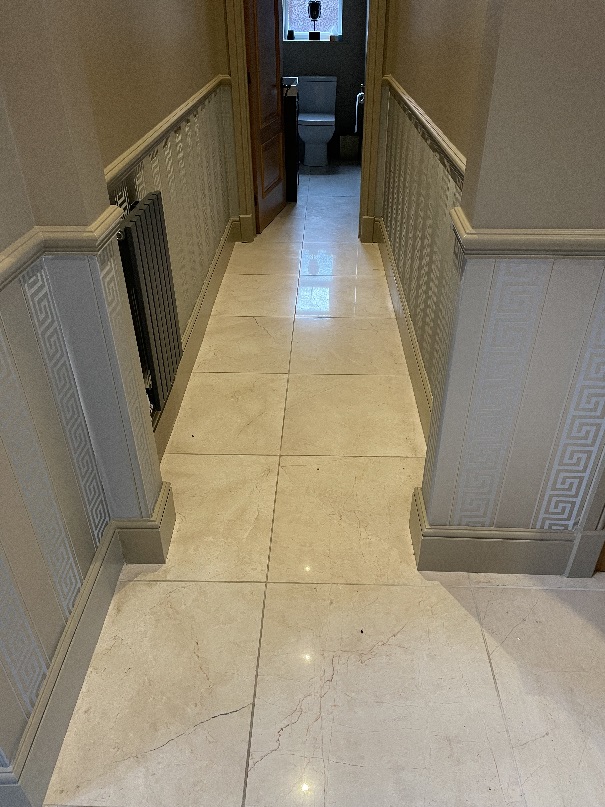
The pictures below are of a Marble tiled floor installed in the hallway of a property at Crakemarsh Hall, near Uttoxeter. The Marble had lost its shine due to several years of wear and was now looking quite flat and uninteresting. This happens with highly polished floors which need to be re-polished every six to 12 months if you want to keep them looking fabulous.

     Marble Floor Before Polishing Crakemarsh Hall Uttoxeter 

Naturally my client had become unhappy with the dull appearance of the stone and I was asked to call round and put the shine back. I viewed the floor and talked them through the polishing process. I left them with a quote which they were happy to accept.
 
Marble Floor Before Polishing Crakemarsh Hall Uttoxeter Marble Floor Before Polishing Crakemarsh Hall Uttoxeter


Cleaning a Marble Tiled Hallway Floor and Grout

The first job was to clean the floor using a rotary floor machine fitted with a Black pad to scrub in Tile Doctor Pro-Clean which is an effective alkaline tile and grout cleaner. I used a medium dilution of Pro-Clean sprayed onto the tiles and left to soak in for ten minutes before scrubbing.

These pads can struggle to get right into the grout so I used a hand-held scrubbing brush along the grout lines to tackle any stubborn grout stains and dirt hiding in the recesses. The soiling was then rinsed off the floor with water and extracted with a wet vacuum.


Polishing a Marble Tiled Hallway Floor

Work then commenced on polishing the Marble for which I used several grades of diamond burnishing pads starting with a coarse 400-grit. Only water is needed to help lubricate the process and once the pad has been run over each tile at least three times the soiling is rinsed off and extracted with the wet vacuum as before. This process is then repeated with the 800 and 1500-grit pad until you reach the 3000-grit pad which is applied with only a little water sprayed onto the tiles.


Sealing Marble Floor Tiles

To add a deep durable polish to the Marble I then applied Tile Doctor Polishing Powder which is spread over the floor ground into the marble using a White polishing pad. I also went around the edges with a handheld buffing machine fitted with smaller 6" pads.
 
Marble Floor After Polishing Crakemarsh Hall Uttoxeter Marble Floor After Polishing Crakemarsh Hall Uttoxeter

I finished the floor by using a super high speed burnishing machine fitted with a White polishing pad to remove any marks left on the floor. My client was so happy that they have booked in for an annual Maintenance clean for next year to keep the floor in top condition.

  Marble Floor After Polishing Crakemarsh Hall Uttoxeter

Before leaving I also encouraged then to clean the floor using Tile Doctor Stone Soap which is a mild but effective cleaning solution that helps maintain the patina on polished stone. Many of the floor cleaning products you find in supermarkets are simply too strong for use on a sealed floor.


Thursday, April 4, 2019

Whats Involved Restoring an Old Victorian Tiled Floor

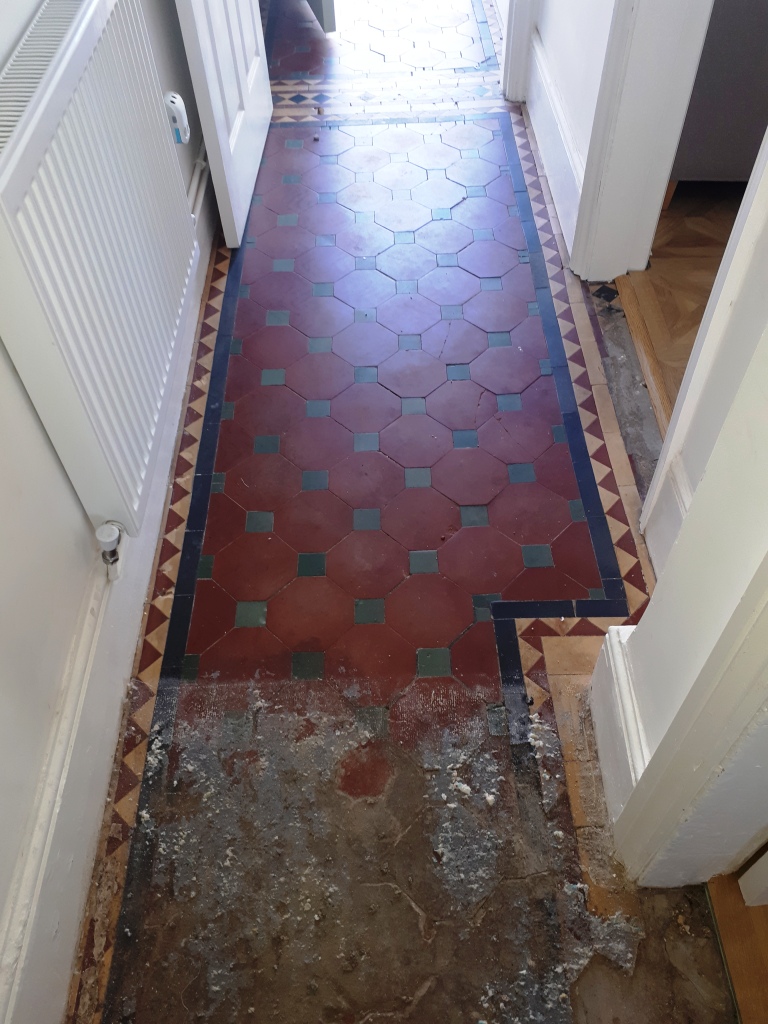
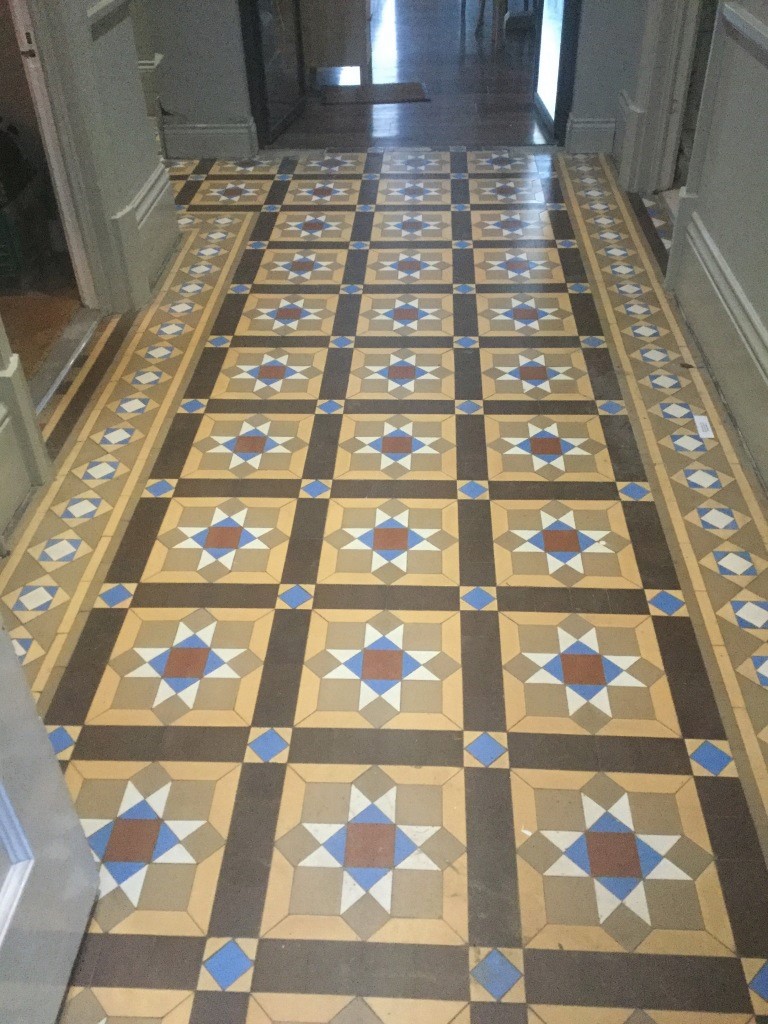
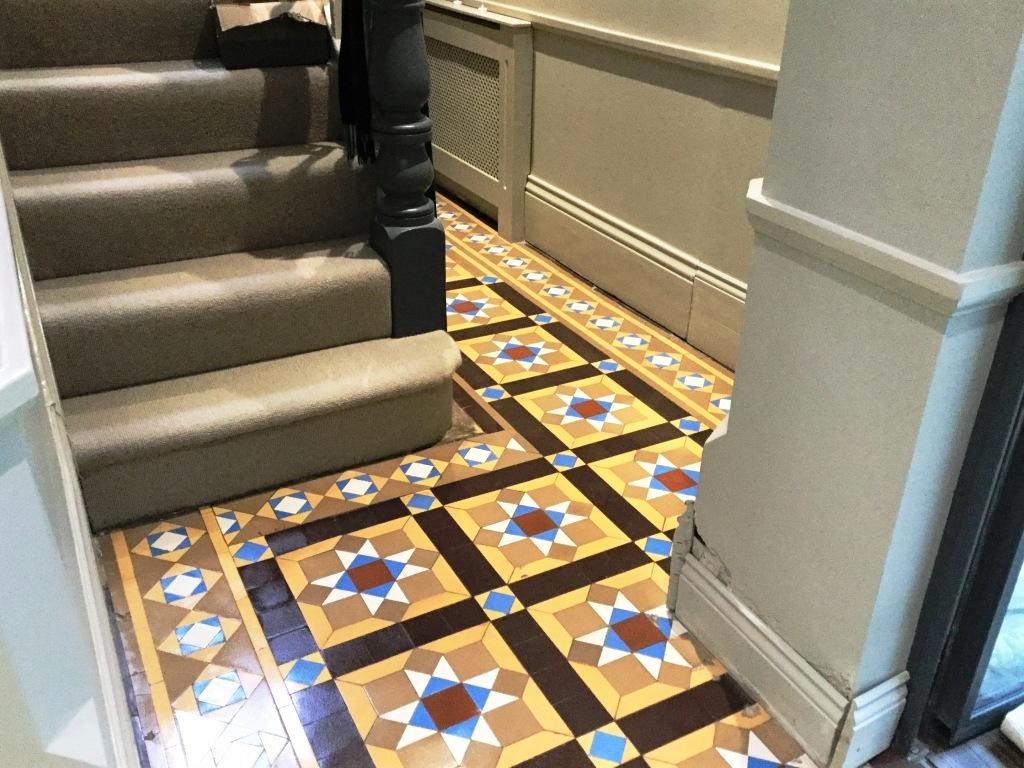
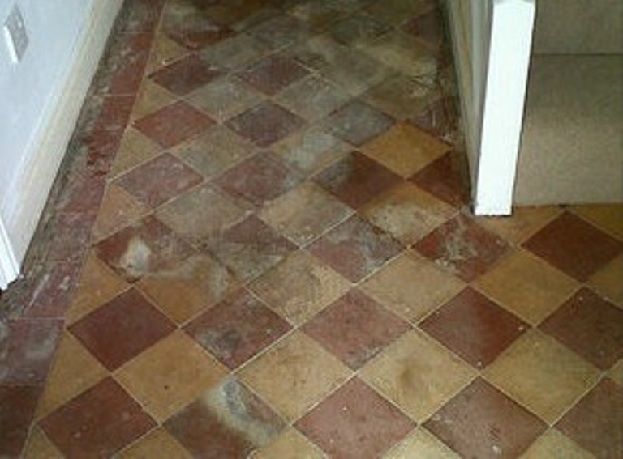
A customer from Epsom called me regarding the restoration of her Victorian tiled hallway which was previously covered in carpet and in a poor state of health. Intrigued and having spoken on the phone I agreed a time to call in and survey the floor and work out a way forward. I visited the property and could immediately see considerable repair work including resolving problems with the sub floor and tile replacement would be required and all this before cleaning and sealing.

Victorian Tiled Hallway Floor Before Rebuild in Epsom

This house had undergone some serious renovations recently and the floor was left till last. I’m not a structural engineer so was unable to advise what had happened to the floor, but all the faults appeared to run in a line from the kitchen to the front door. It was an old house so who knows what might have caused it, it might even have been bomb damage from the 2nd world war.

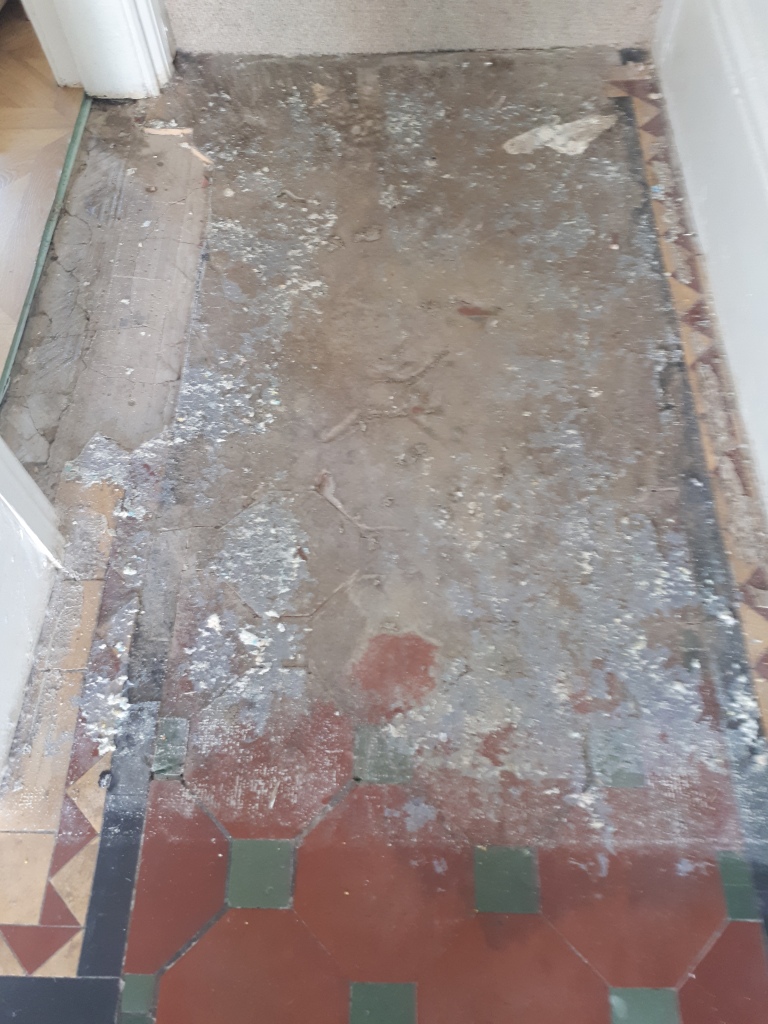
There were three main problem areas. The worst was by the front door where an area of about a metre square was just loose tiles and laid on rubble. The family had got used to jumping across the threshold so as not to make the problem worse. Next was a strip through the middle that was totally exposed and a massive trip hazard. The floor boards were visible as was the floor base. There was another area by the front room entrance that had some loose pattern tiles that clunked every time someone entered the room. Finally, there was a small area to the entrance to the basement that had been patched in with cement.

Victorian Tiled Hallway Floor Before Rebuild in Epsom Victorian Tiled Hallway Floor Before Rebuild in Epsom

It was clearly going to be a challenging restoration for several reasons. Had the customer kept all the loose tiles? If not, could I source matching replacements? Would it be possible to level the floor that appeared to be sloping towards the front door? Could I remove loose and broken tiles without disturbing others? Could I manage the customers high expectations?

Having worked on numerous Victorian floor restorations in the past I knew where I could potentially source replacement tiles. I also had the full backing of the Tile Doctor network so knew I could always reach out to other Tile Doctors should I face any major problems. Undaunted we agreed a date for me to return and start the work and in the mean time I would talk to several specialist tile suppliers about replacements.


Rebuilding a Victorian Tiled Hallway Floor

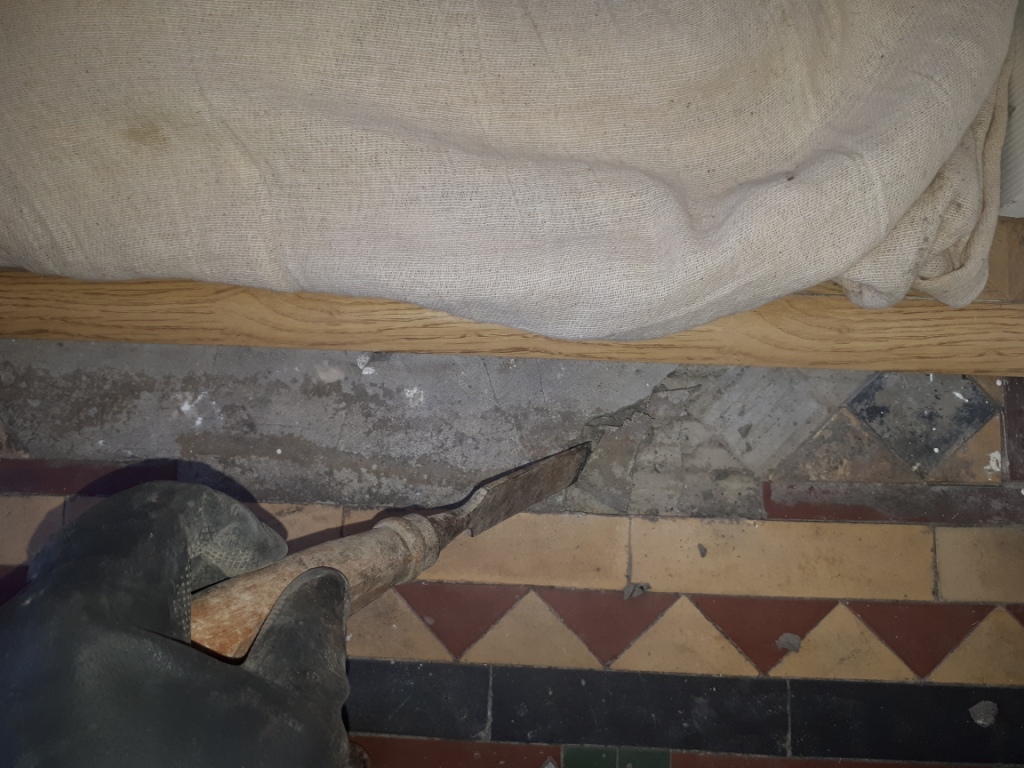
Before starting any tiling work, I photographed the whole floor extensively from different angles so I would have something to refer to later. Then I removed all the loose tiles placing them in buckets for further cleaning. I now had three areas that I could see beneath the floor boards and another area of cement that I broke up using a chisel drill. In total I filled six buckets with rubble and broken tiles, all of which were taken off site and disposed of at a local recycling centre.

Victorian Tiled Hallway Floor During Rebuild in Epsom Victorian Tiled Hallway Floor During Rebuild in Epsom

The next step was to ensure I had a level and flat base in the newly exposed areas on which to lay the tiles. I managed this by laying down a self-levelling compound. The compound is mixed in a bucket and poured into the holes up to the required level allowing gravity to do the levelling work for you. It is then left to dry and harden overnight.

Victorian Tiled Hallway Floor During Rebuild in Epsom Victorian Tiled Hallway Floor During Rebuild in Epsom

The next day I started by re-fixing the loose tiles in areas where the subfloor was still solid. Close packed Victorian tiles are very tough but can be brittle, often removing a single tile can cause chips or break surrounding tiles. I always buy more replicas than the job requires for this very reason. This can be very frustrating work, so I find its best approach is to remove as few tiles as possible. I explained to the customer that the floor is over 100 years old and some chips and scratches give the floor character. Perfection is an unrealistic expectation where some marks are permanent.

Part of the other renovations included the removal of two antique radiators leaving some strips of carpet and adhesive attached to the floor. I removed this using a strong mixture of tile doctor remove and go and a little encouragement from a 50-grit diamond block.

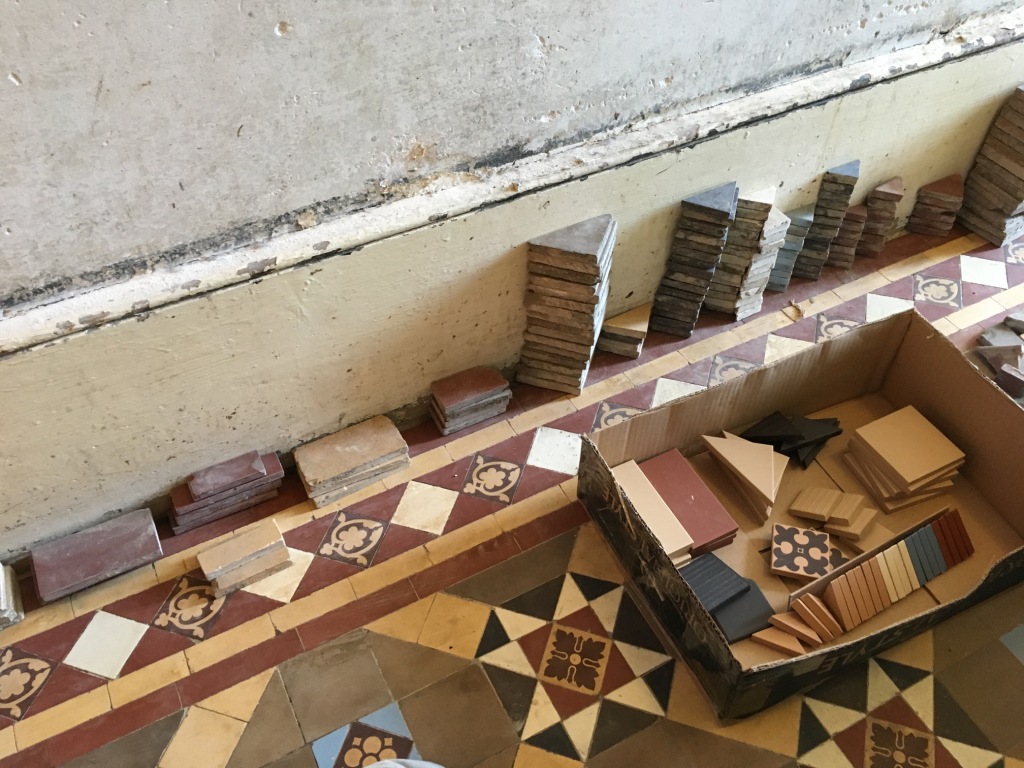
The preparation continued with the cleaning up of the three buckets of tiles recovered at the beginning of the restoration. Old adhesive and cement must be removed before refitting to ensure they can be laid flush to the adjacent tiles. Luckily for me the weather was warm and sunny, so I sat on the garden wall for the afternoon using a combination of a wet tile cutter, Fein tool and diamond blocks to get them clean while I took in the sun.

Victorian Tiled Hallway Floor During Rebuild in Epsom

The next day was spent re-laying the tiles. The tiles are in an intricate pattern and in various shapes and sizes. The main area by the front door took all day. The difference in thickness between the original and replacement tiles made the work particularly difficult. Interested neighbours came and went commenting on my progress throughout.
Victorian Tiled Hallway Floor During Rebuild in Epsom


Cleaning a Victorian Tiled Hallway Floor

The next day I soaked all the tiles with tile doctor Acid Gel and left to dwell for 30 minutes. This was to work into the porous areas and to break down years of dirt. Then attaching a very coarse 100-grit diamond encrusted pad attached to a rotary floor machine I cleaned the tiles with a dilution of Tile Doctor Pro-Clean. This process skims away a small layer of the tiles thus the dirt too. All the soil was extracted from the floor using a wet vacuum. I repeated this process twice for maximum effect. The customer was amazed at the result and I wasn’t finished yet. When wet the contrast between the white tiles and dark were astonishing, however this was temporary so I made sure the customer aware that without a sealer they would look washed out and colourless. I left the scene overnight with a couple of warm air movers in place to fully dry out the tiles.


Sealing a Victorian Tiled Floor

The tiles need to be dry before sealing so the next day my first action was to test the floor for moisture using a damp meter. They passed and were ready to take a sealer, so I discussed the different options and finishes with the customer. It was a very interesting house, full of retro artefacts so we needed something that would blend in, more importantly she had four children and a husband who bought a cycle through the house twice a day. I recommended Tile doctor seal and Go Extra. It's super tough, offering great protection and gives a subtle sheen that I felt would suit the house. Three coats later and I was done, closing the door behind me as everyone was at school and work.

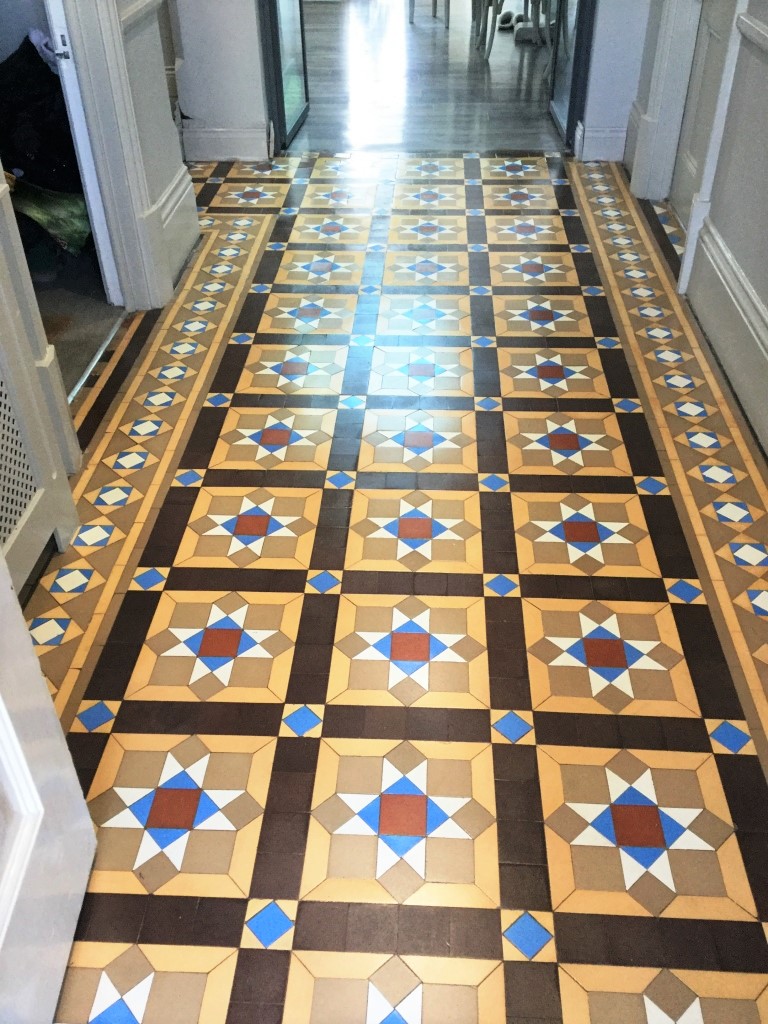
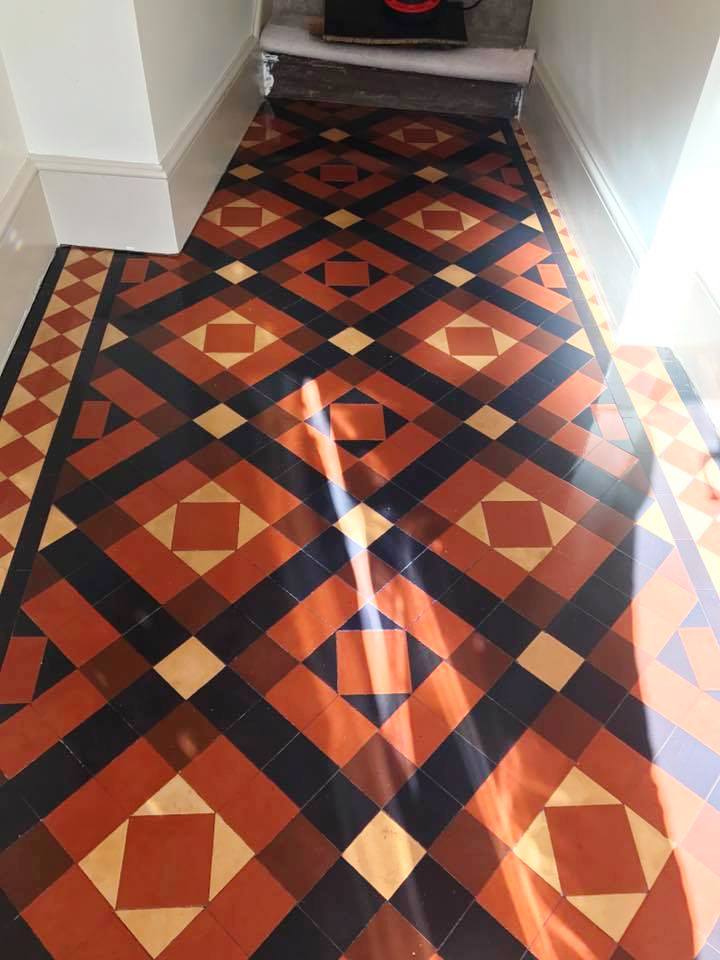
Victorian Tiled Hallway Floor After Rebuild in Epsom Victorian Tiled Hallway Floor After Rebuild in Epsom

I popped back later that evening to discuss the job. The newly applied sealer had intensified the depth of colour in the Victorian tiles and returned the brightness to the floor. She was very pleased and even gave me a carrot cake to take home with me.

Victorian Tiled Hallway Floor After Rebuild in Epsom


Source: Victorian Tile Cleaning and Restoration Service in Epsom, Surrey
Wednesday, September 5, 2018

Stripping Wax of Hallway Tiles in Northamptonshire

This customer called me as she was concerned about the scratches on her hallway tiles, they were not only unsightly but were also starting to trap dirt. The Victorian property in Rushden which lies between Bedford and Kettering on the east side of Northamptonshire.
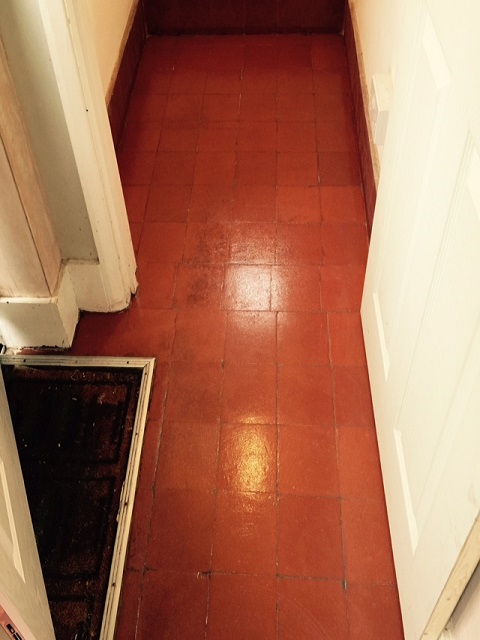
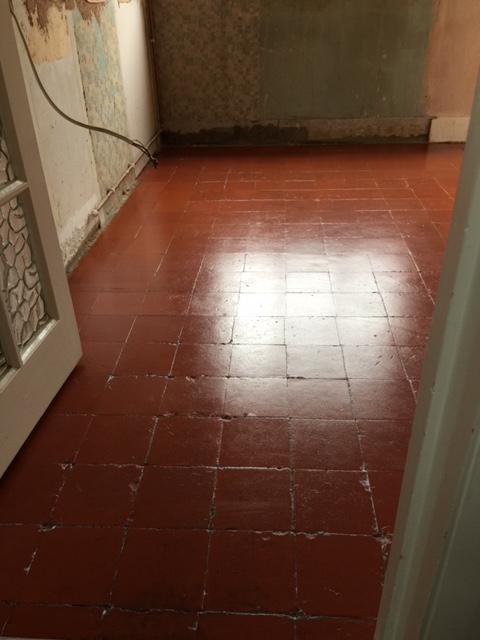
We always offer a site visit to take a look at the job before doing any work, that way we can discuss what the cleaning options are, and it also demonstrates to the customer that we know what we’re talking about.

The hallway floor was a lovely and intricate example of Victorian tile installation and I could see that overall it was in good condition for its age. On closer inspection the customer was relieved to find out that it was the old wax sealant breaking down and not actually scratches on the tiles. I carried out a test on a small area to ascertain how difficult it would be to remove this wax. I realised I would be able to use Tile Doctors new product for the removal of the wax sealant, Tile Doctor Wax Away which is a fast and effective formula that is designed just for this type of job, it offers safe removal of wax and polish from tile and natural stone. We agreed the quote and the work was booked in for the following month.

Victorian Tiled Hallway Floor Before Wax Removal Rushden

Cleaning/Repairing a Victorian Tiled Hallway Floor

On our return we started to remove the wax coating using the Tile Doctor Wax Away product. It was applied neat and left to dwell for ten to fifteen minutes before working it into the floor with a small amount of water and a black stripping pad attached to a rotary machine. The resulting slurry was then removed using a wet vacuum. The floor was then inspected, and I decided to repeat this process with a hand brush in a couple of small areas and around the edges to ensure the old wax sealant was fully removed in these stubborn areas. The floor was then rinsed with water to remove any remaining slurry and trace of cleaning product and the wet vacuum was used to dry the floor again.

Victorian Tiled Hallway Floor During Wax Removal Rushden

My next course of action was to run over the floor with a 400-grit burnishing pad to remove imbedded dirt and stains from the tiles, this was followed by a second rinse with water. After removing the water with wet vacuum, the floor was then left to dry out fully for a few days aided by a large fan that I left on site. It’s important that the tiles are fully dry before applying a sealer and this is even more important on older floors where no damp proof membrane has been installed.

Sealing a Victorian Tiled Hallway Floor

I returned three days later and started by giving the floor a light vacuum and clean. I also took damp meter readings to check the floor was fully dry. Once I was satisfied I started to apply 2 coats of Tile Doctor Colour Grow Sealant, this is a breathable sealant which will allow the tiles to breath and allow moisture vapour from the sub floor to rise through the tiles which is important in these old houses where no damp proof membrane exists. Colour Grow is an impregnating sealer that works by occupying the pores in the tile thus preventing dirt from becoming ingrained there, the sealant enhances the natural colours in the tile and dries to a lovely natural matt finish.

Victorian Tiled Hallway Floor After Cleaning Rushden

Once finished the floor looked great and the customer was hugely relieved that the tiles could be restored easily and cost effectively, she had thought the damage may have been irreversible. Moving forward it will now be easier for her to maintain and keep clean. The floor is now back to its’ true self and properly in keeping with the rest of the period features in the house.

Victorian Tiled Hallway Floor After Cleaning Rushden


Source: Tile Cleaning and Sealing Service in Northamptonshire

Tuesday, August 21, 2018

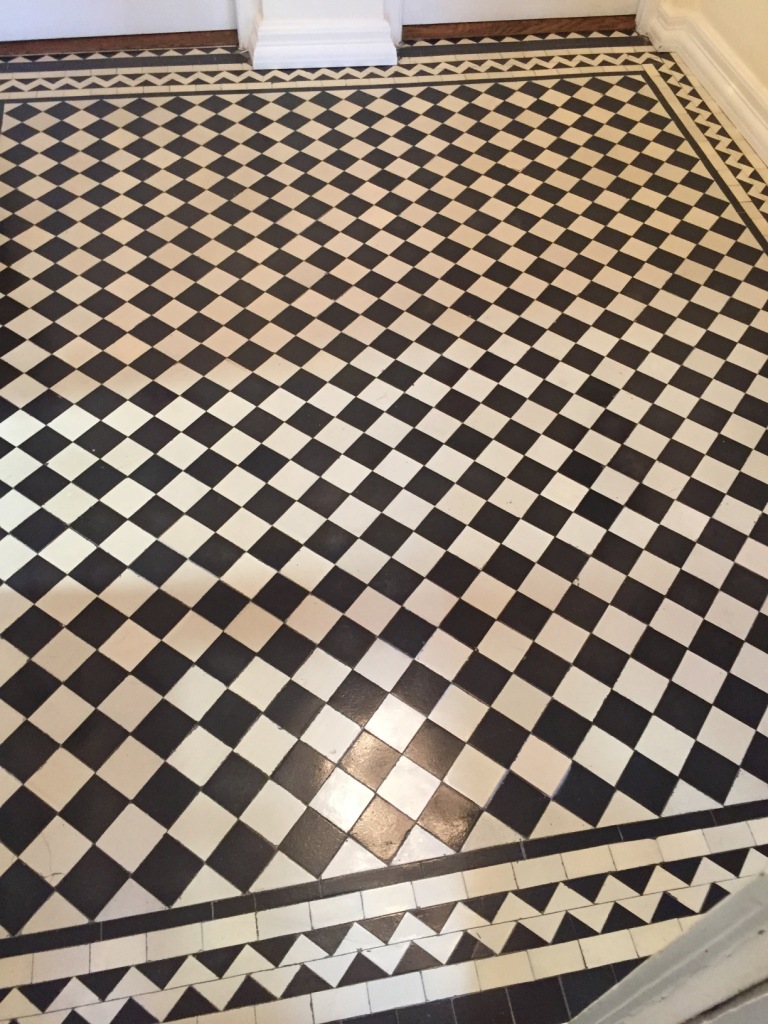
Renovating a Classic Victorian Tiled Hallway Floor in North London

This 1930’s North London property in Mill Hill had a classic tiled hallway floor laid with black and white tiles in a diamond pattern and reminiscent of the Victorian era some thirty years earlier but still popular at the time the house was built. Mill Hill was first recorded as Myllehill in 1547 and appears to be named after a "hill with a windmill”. Over the years it’s merged with the surrounding towns and is now a desirable suburb in the North London Borough of Barnet.

I first spoke to the owner of the property over the phone to get an idea of what was required and work out a convenient time to take a look at the floor; we often get customers looking for a quote over the phone but this is not always easy to do as you never know what problems you might find with an older floor until you get there.

On inspection I could see there were in fact a large number of loose tiles in the central part of the floor which would need to be reset and grouted, the floor would also need to be deep cleaned and re-sealed with a suitable sealer to get it back to its former glory. I was confident we could soon get the floor looking how it should and after discussing the process, agreed a price and a timescale for the project. The owner was keen to get the job completed as soon as possible.

Cleaning/Repairing a Victorian Tiled Hallway Floor

Firstly, we prepared the area with protective polythene tapes to thresholds, carpets, and door fronts to ensure the surrounding areas were protected. To clean the floor a strong dilution of Tile Doctor Pro-Clean was applied, this is a concentrated, multi-purpose high-alkaline cleaner, stripper and degreaser and is highly recommended for use on natural stone, tile and grout. The tiles were scrubbed with both floor pads and brushes, it is easier to use brushes in the more intricate areas.

Victorian Tiled Hallway Restoration During Cleaning Mill Hill

After the scrubbing we rinsed, and steam cleaned the floor, removing the slurry generated during the cleaning process with a wet vacuum. It was now nicely prepared ready for carrying out the repairs and the cleaning process was useful in identifying those tiles which needed extra attention.

The repairs involved resetting 50 to 60 loose tiles, the process requires carefully removing the tile, scraping out the old adhesive and grout and then replacing with new. The area is cleaned and then when the adhesive has set the tiles are re grouted in a grout chosen to best match the original. Luckily there were no damaged tiles on this floor which made the job easier. Although, we can usually track down replacements when they are needed!

Sealing a Victorian Tiled Hallway Floor

We then left the hallway to dry off overnight, returning the next day we used a moisture meter to check the floor was dry and suitable for sealing. Old floors like these have no damp proof membrane fitted under the floor so can take time to dry out, fortunately we completed this work during warm weather, so all the readings were good.

Victorian style tiles are quite porous, so we found we need to apply give coats of sealer before they were fully sealed. We selected Tile Doctor Seal & Go to seal the tiles, it’s a specially formulated water-based blend of acrylic polymers that adds a durable stain resistant surface and leaves an appealing low-sheen finish. Being water based it doesn’t leave a smell as it dries, and it also a breathable sealer that can cope with the lack of a damp proof membrane ensuring moisture doesn’t become trapped under the floor.

Victorian Tiled Hallway Restoration After Cleaning Mill Hill

The client was very happy with the completed job, the work took a day and half to complete. Considering how many tiles had been loose the job had turned out very well. The floor is now much more manageable for her and the hallway tiles life has now been prolonged.

Victorian Tiled Hallway Restoration After Cleaning Mill Hill


Source: Victorian Tile Cleaning and Polishing Service in London

Friday, August 10, 2018

Cement Screed Covered Victorian Floor Restored in Birmingham

This customer got in touch with me to see if there was anything I could do to restore a Victorian tiled floor they had discovered under carpet in their hallway. Interestingly they had been told previously that the floor was beyond repair and had been quoted thousands of pounds to have it completely ripped up and replaced.

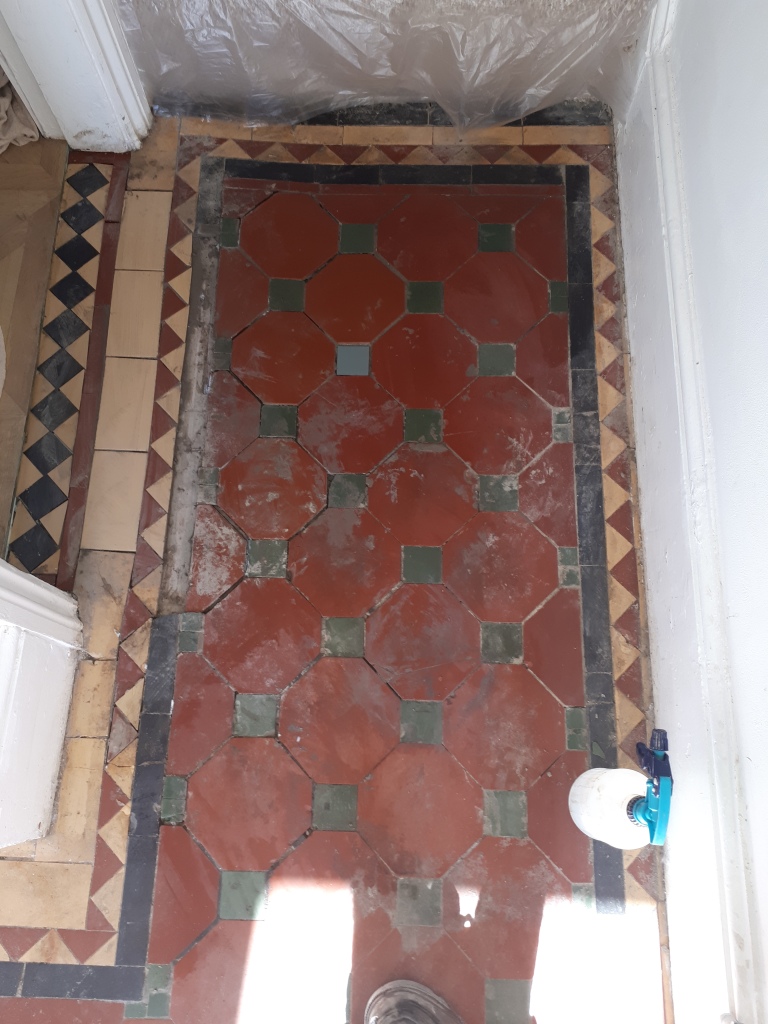
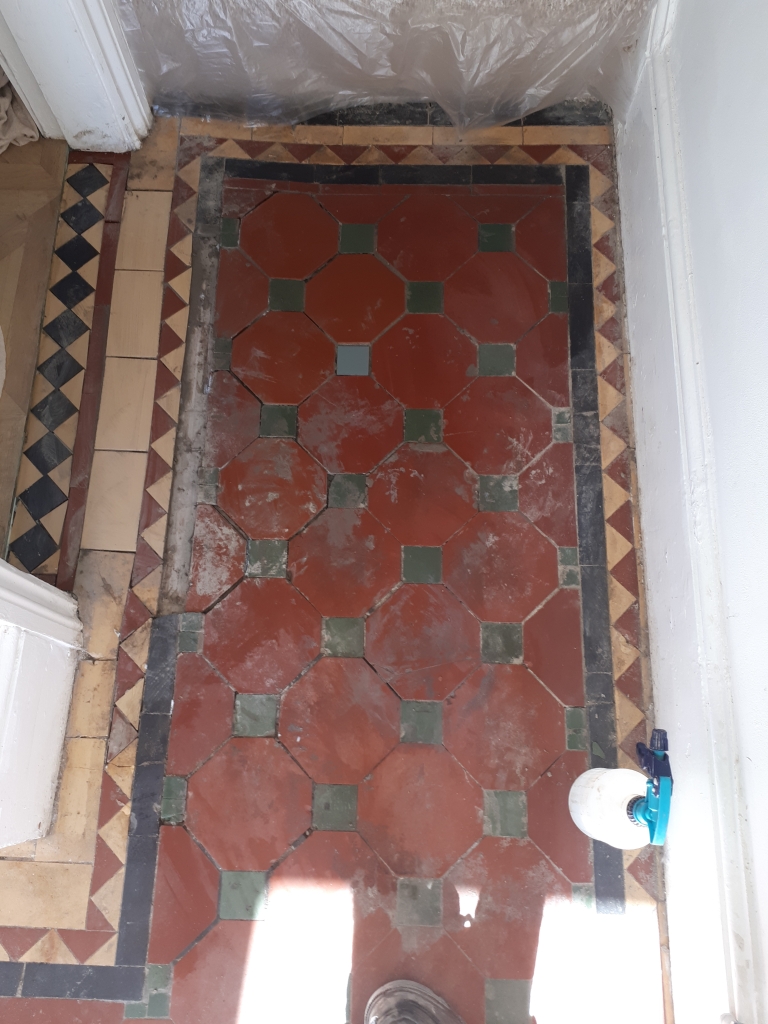
Victorian Hallway Before Restoration Bearwood Victorian Hallway Before Restoration Bearwood

I visited the property in Bearwood near Smethwick, to take a look and could see that there was a section under a cement screed. The floor was in a truly sorry state, so I could see why the other company were not keen on restoring it. Undeterred I did a test clean to see if I could remove the screed which was encouraging however without removing all the screed it would not be possible to see what condition the tiles underneath were in. I agreed with the customer to order some replacement tiles which were needed along with extra ones just in case. The job would take a few days to allow for cleaning, repairing, drying out and sealing. The client wasn’t too optimistic, but I reassured them we could definitely get a good result.

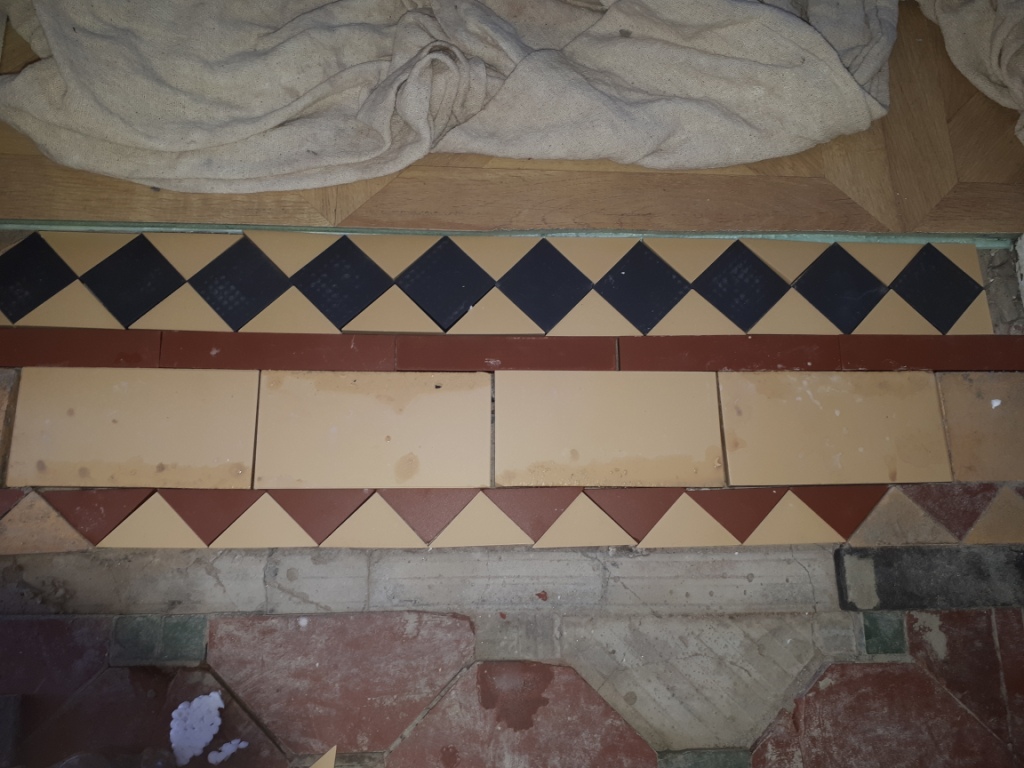
Victorian Hallway During Restoration Bearwood

Cleaning and Repairing a Victorian Tiled Hallway

The first day was spent removing the cement screed which was quite thick in parts, so I went down the route of steaming it first to help soften the covering and then carefully scraping it off. This was quite labour intensive, but it did the job. Once the cement was removed I was left with some tiles that were ok but quite a few needed to be replaced.

Victorian Hallway During Restoration Bearwood Victorian Hallway During Restoration Bearwood

There were also two doorways, one that needed completely relaying and one needed part relaying. Some of the tiles needed to be cut to size, there were many tiles that needed resetting and re-grouting along with grout being applied to the new tiles.

Victorian Hallway During Restoration Bearwood

The next day the tiles were deep cleaned with a 50:50 combination of Tile Doctor Pro-Clean mixed with Nanotech HBU which stands for Heavy Build-Up Remover, which was quite appropriate in this case. This cocktail of tile cleaning products was left to dwell on the tiles for a while then worked in with a black scrubbing pad fitted to a weighted rotary machine. The floor was then rinsed off with water and then the soil extracted with a wet vacuum.

My next step was to give the floor and acid wash to remove any old grout smears and neutralise other mineral contaminates such as salts that can get deposited on the surface of the tiles as moisture evaporates as the floor dries. This is always a risk with old floors where no damp proof membrane exists. To do this I applied a dilution of Tile Doctor Grout Clean-Up which is scrubbed into the tiles with a deck brush and then rinsed off the floor with water and a wet vacuum. The floor was then left to dry out for a couple of days.

Sealing a Victorian Tiled Hallway Floor

I returned to seal the floor and after check it had dried sufficiently applied three coats of Tile Doctor Colour Grow sealer. This sealer seeps into the pores of the tile enhancing the colours and leaves a matt finish which the customer had previously specified. The floor was then buffed with a white pad and the customer left with a bottle of Tile Doctor Neutral Tile Cleaner to clean the floor with moving forward.

Victorian Hallway After Restoration Bearwood Victorian Hallway After Restoration Bearwood

The customer was delighted with the results and left the following feedback on the Tile Doctor feedback system.

"Kieron has done a fantastic job of our Victorian hallway tiles. We had been quoted several really high prices by other companies, but Kieron’s quote was a fraction of these. I initially wondered whether this meant the job wouldn't be as good but after 3 days of solid work the results are fantastic! He managed to transform it to its former glory, a hallway that was partly cemented over, had missing and loose tiles all over the place and was filthy. He definitely does a lot more than just cleaning! We couldn't be happier with the results!"


Victorian Hallway After Restoration Bearwood


Source: Victorian Tile Cleaning and Restoration Service in Birmingham

Friday, April 20, 2018

Renovating Dull Encaustic Hallway Tiles in Hertfordshire

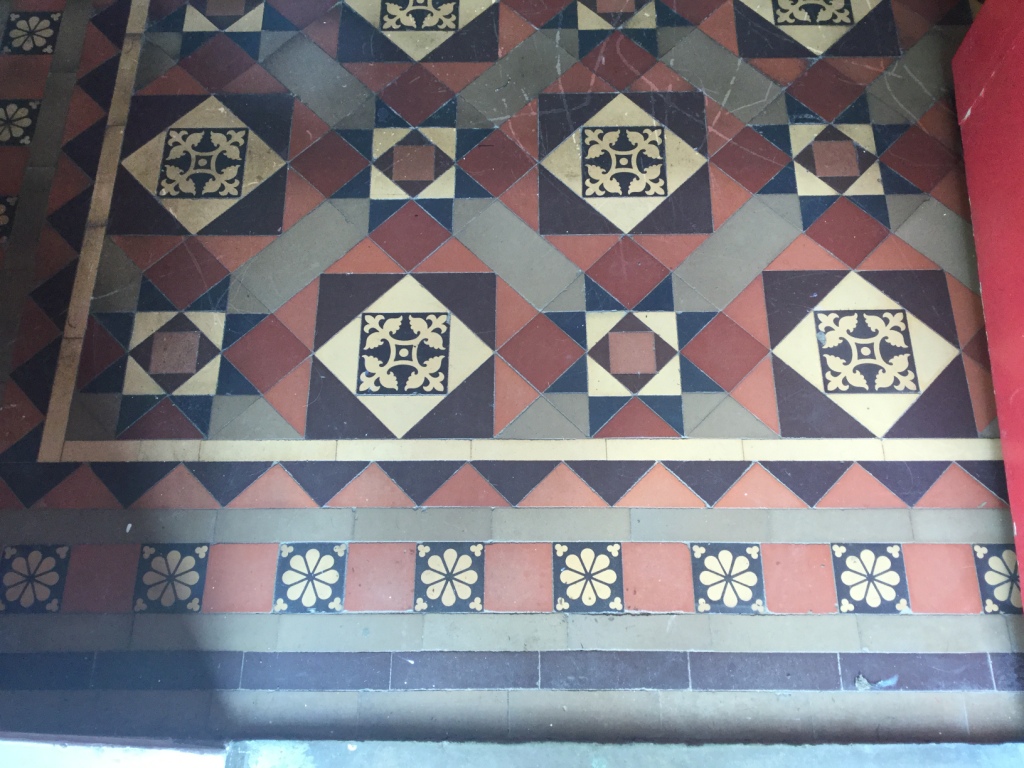
I had an enquiry from a client in the London commuter town of Berkhamsted who had a beautiful Encaustic tiled floor in their hallway which was in need of cleaning. Encaustic tiles are made from layers of cement that are hydraulically compressed to make a very hardwearing surface that can then be decorated. The result is an easy to clean hardwearing surface that is ideal for high traffic areas such as hallways.

Encaustic Tiled Hallway Before Cleaning Berkhamstead

Encaustic tiles however are micro-porous so do need to be sealed to prevent dirt from becoming ingrained in the tiny holes. The tiles at this property in Berkhamsted had been sealed at some point in the past but over the years the sealer had worn down lettering dirt enter the pores making it difficult to clean effectively. The floor now required a deep clean and seal to bring back the life into this artistic floor pattern.


Encaustic Tiled Floor Cleaning

We first removed what was left of the old sealer and ground in dirt using a coarse 400 grit Red burnishing pad attached to a rotary floor buffer. The burnishing pads we use are encrusted with industrial diamond and are applied using water for lubrication, once the pad has been run over all the tiles the floor is rinsed with more water which is then extracted with a wet vacuum to remove the slurry that is generated. The coarse pad was the followed by a medium 800 grit burnishing pad which is the first step in restoring the appearance of the tiles and is applied and rinsed off using the same process as the 400 grit. The 800 grit pads is followed by the 1500 grit pad which is the second step In restoring the appearance of the tile. Again, the pad is applied with water to lubricate and the floor given a good rinse afterwards. The next step was to get the grout clean which was done by applying Tile Doctor Pro-Clean which was left for ten minutes before being scrubbed in by hand with a narrow stiff brush. The floor was then given yet another rinse and then dried with the wet vacuum to remove the dirt that was generated from the grout. The last step in the cleaning process was to run over the floor with a very fine 3000 grit pad, this last pad is the final step in restoring the appearance of the tile and is applied dry with only a little water that is sprayed on using a technique we like to call spray burnishing.


Encaustic Tiled Floor Sealing

Once the floor was dry it was sealed using two coats of Tile Doctor Colour Grow which is an impregnating sealer that seeps into the pores of the tile protecting it from within. This sealer has the added advantage of enhancing the existing colours in the tile improving its overall appearance. The overall process worked incredibly well and made a huge difference to the floor as you can see in the final photograph.

Encaustic Tiled Hallway After Cleaning Berkhamstead

To keep Encaustic floor tiles in first class condition I recommend the use of the Tile Doctor Neutral Tile cleaner which being pH neutral does not reduce the life of the sealer and is ideal for the cleaning of all types of sealed floors. The product comes in a concentrated form, so I recommend it’s used in a mild 1-30 dilution spray applied and wiped over with a microfibre flat mop, then buffed dry.


Source: Encaustic Tile Cleaning and Sealing Service in Hertfordshire

Wednesday, March 21, 2018

Screed Covered Quarry Tiled Floor Renovated in South London

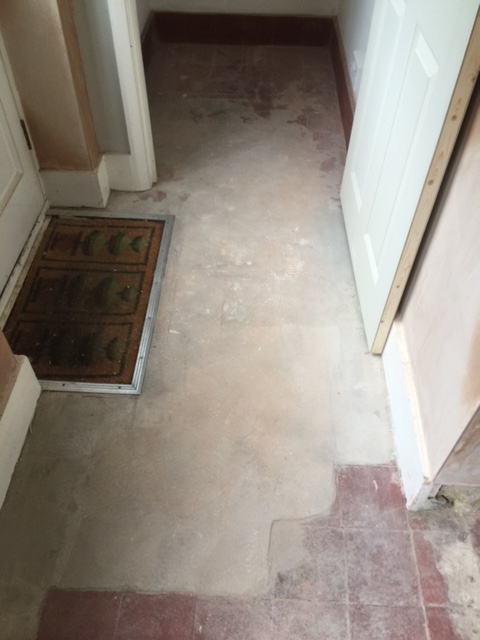
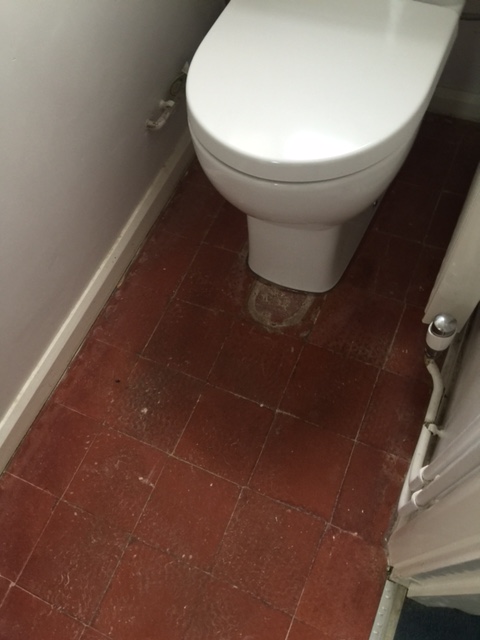
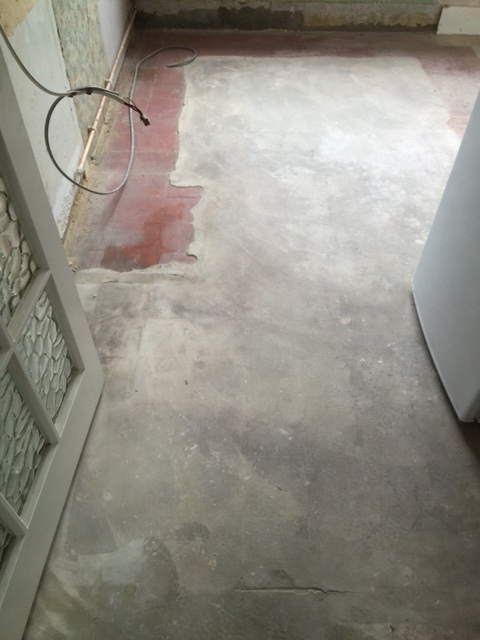
Pictures below of a Quarry Tiled floor that a customer had discovered when taking up the lino at her house in Coulsdon. Realising the floor was original and worth saving she contacted Tile Doctor and I popped round to take a look.

A lot of the tiles had been covered in a screed to provide a flat base for the Lino and that would need removing. In order to be sure what treatments would work to remove the screen and successfully restore the Quarry tiles without causing any damage I ran a couple of tests and everything seemed ok.

Quarry Tiled Floor Before Renovation Coulsdon Quarry Tiled Floor Before Renovation Coulsdon

We could both see the job wasn’t going to be easy and would take some days to complete so I worked out a price which was accepted and we agreed a date for the work to start.

Quarry Tiled Floor Before Renovation Coulsdon Quarry Tiled Floor Before Renovation Coulsdon


Removing Screed from Quarry Tiles

The Quarry tiles in the WC hadn’t been covered in Lino so they would just need a good clean and seal so the main work would be in the Hallway and Kitchen. Fortunately my customer was having a lot of other work done in the house and was in the middle of stripping the walls so I didn’t need to worry too much about protecting the skirting boards etc.

Working in sections I soaked the screed in water and then carefully chipped away at it until it came loose, it was slow work but I could see the process was working as expected and eventually all the Quarry tiles were revealed. There was still a lot of cement from the screed stuck to the surface of the tile so after sweeping up the chippings I set to work applying a strong solution of Tile Doctor Grout Clean-up to the tiles and leaving it to soak in for a short while. Grout Clean-Up is an acidic product that we normally use for removing grout smears from the surface of tiles. The solution was scrubbed in and then rinsed off with water and extracted with a wet vacuum.

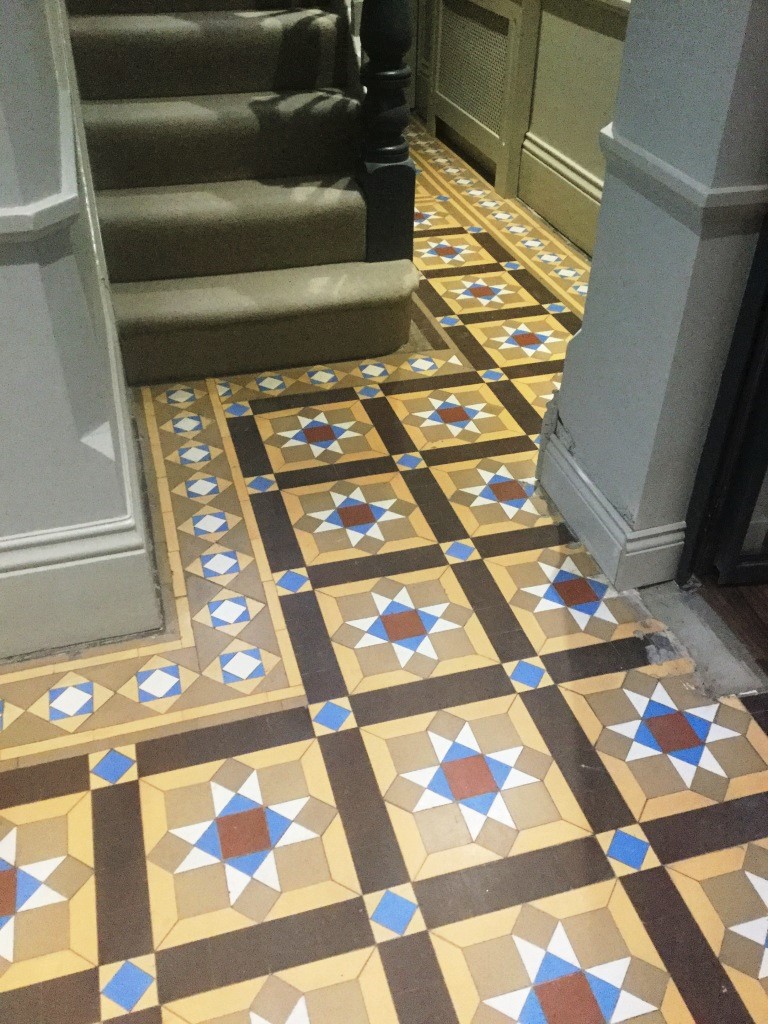
Quarry Tiled Floor After Renovation Coulsdon Quarry Tiled Floor After Renovation Coulsdon

To get the tiles in the toilet clean I gave them a good scrub with Tile Doctor Pro-Clean which is a reliable and effective Tile and Grout cleaner. Once clean they were rinsed with water and dried with the wet vacuum.


Sealing Quarry Tiles

I had timed my visit between working being carried out at the property so I was able to leave the floor for a few days so it could thoroughly dry out. I returned later to check the Quarry tiles were dry and completed the renovation by sealing the floor with Tile Doctor Seal and Go which is a water based sealer that works really well on Quarry tiles. Five coats of Seal and Go were needed to fully seal the tiles and the floor now looks transformed.

The owner was very satisfied with the improvements and before leaving I advised to cover the floor before starting the decorating work.


Source: Quarry Tile Cleaning and Sealing Service in South London

Wednesday, March 7, 2018

Renovating Old Victorian Hallway Tiles in Bedfordshire

A homeowner in the Leighton Buzzard was having some renovation work done to their property and during the course of the work discovered an original Victorian tiled floor underneath the hallway carpet. The town dates all the way back to the 12th century so period features like this are quite common.

Keen to have the floor restored the owner got in touch to ask if I could survey the floor and quote for restoring it, so my colleague Phillip popped round to see what needed to be done. Surprisingly the tiles were generally in quite good condition for their age with just a few cracks and chips here and there. There were some missing tiles that needed replacing but I was able to help them source replacements which were fitted before the cleaning work commenced.

Victorian Tiled Floor Leighton Buzzard Before Cleaning Victorian Tiled Floor Leighton Buzzard Before Cleaning


Cleaning an Original Victorian Tiled Floor

I started the cleaning process by giving the tiles a deep machine clean with Pro-Clean which is a strong tile and grout cleaning product produced by Tile Doctor. A strong dilution was left to soak into the tiles before scrubbed in with a tile brush fitted to a rotary machine. This action lifted the surface soil and bits of plaster and paint which was then rinsed off and extracted using a wet vacuum.

With the soil and cleaning solution removed I then carried out a full inspection of the tiles in their natural state to see what other work would be required. As there was no apparent sealer present, I decided that the next step in the cleaning process would be to use a coarse 200 grit burnishing pad to clean and resurface the tiles, this was followed by a second rinse and wet vacuum. I then went around on hands and knees using Tile Doctor 100 grit diamond hand blocks to remove stubborn staining around the edges close to the newly painted skirting boards.


Sealing an Original Victorian Tiled Floor

The floor was allowed to fully dry for 2 days before I returned to apply Tile Doctor Colour Grow sealant which is an impregnating sealer that improves colour and is fully breathable, so it allows any damp from the sub floor to dissipate. Choosing a breathable sealer is important for these old floors which have no damp proof course and Colour Grow is normally my sealer of choice for Victorian floor tiles.

However Colour Grow dries to a matt finish and on this occasion the customer felt the finish still looked quite dull, although she was very happy with the results of the cleaning she asked if there was anything else I could do to brighten the finish, it was agreed that I would return a week later to carry out a damp test and if the results of this were favourable I would go ahead and apply several coats and apply Tile Doctor Seal & Go topical sealant which is water based and dries to a silk finish.

When I returned moisture, readings were taken which were acceptable, so as agreed I applied several coats of Seal and Go to give the tiles the desired appearance. With the work completed the customer was happy with the final results and even left the following feedback via the Tile Doctor feedback system.

Phillip arrived on time, worked very hard to prepare the floor- about 6 hours. Returned after floor was properly dry- 2 days. Applied a mat finish - 2-3 coats. I was disappointed with this finish, the floor which looked very flat and washed out. Each floor has its own characteristic and absorbs the products used differently. Phillip didn't disagree, so applied two coats of a glossy finish which has brought out the beautiful colours of my Victorian floor. All of this was done without a quibble. Happy with the finish now. My advice is to discuss fully the finish you require and get a patch test done before so everyone is clear about the job in hand. Would use again. Ms. A Binger , Leighton Buzzard


Victorian Tiled Floor Leighton Buzzard After Cleaning Victorian Tiled Floor Leighton Buzzard After Cleaning


Source: Victorian Tile Cleaning and Restoration Service in Bedfordshire

Monday, February 12, 2018

Deep Cleaning a Victorian Tiled Hallway in Devon

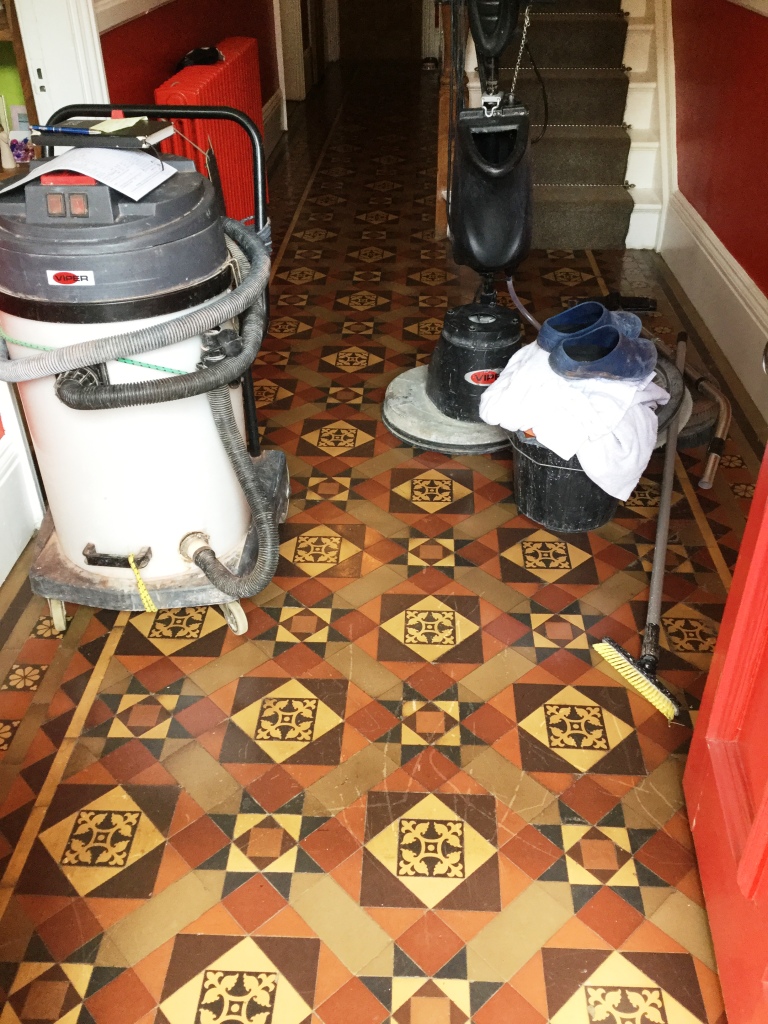
I was contacted by the owners of an old Farmhouse in the East Devon village of Broadclyst to look at their Victorian Tiled Hallway floor which as you can see from the photograph below was heavily stained and had also been splashed with paint from decorating. Victorian tiles are very robust and can take a lot of punishment which you certainly get in a farmhouse, however once the sealer wears off dirt gets into the pores of the tile making it very difficult to clean.

I visited the property to take a closer look and to take some moisture readings because these old floors don’t have a Damp Proof Course and moisture levels too high can restrict when this type of work can be done due to the sealers needing the floor to be dry in order to cure. I also did a test piece to show the customers what level of cleaning could be achieved.

Victorian Tiled Hallway Broadclyst Farmhouse before cleaning


Cleaning a Victorian Tiled Hallway

With the customers happy with the quote I returned to complete the work starting by covered the skirting and bottom of the stairs to protect the paintwork and carpet. I then put a strong stripper/degreaser called Pro Clean on to the floor, ensuring even coverage and keeping and eye on the floor to make sure that it didn’t dry out.

After a short dwell time I set to work scrubbing the floor with a 400 grit diamond burnishing pad and using small hand blocks to get into the corners and any edges not reached by my machine. Once I was satisfied that the tiles were as good as they could be I rinsed the floor to remove the alkaline cleaner and soiled water.

This was followed by giving the floor an Acid rinse using Tile Doctor’s Acid Gel, this process counteracts any alkaline salts that can rise up through the tile as it dries out, a process which is more commonly known as efflorescence. This can be quite a problem on floors like this that don’t have a damp proof course (floors generally didn’t pre-1950s). I had to be careful not to leave the acid down for too long because these tiles are susceptible to acid damage.

Dealing with salt issues on these old floors (efflorescence) is essential because they can damage the sealer or become trapped under it, detracting from the beauty of the floor. Given the age of the farmhouse it’s difficult to know what the floor had been laid onto. Often it was compacted rubble and building works from the erection of the adjoining buildings; additionally some of the later Victorian floors were laid on a wet limecrete scree which contain a high salt-content.

Before I left for the day I left an air mover on the floor to aid in the drying of the tiles. If there are radiators in the area I also suggest that they are turned on overnight to further aid the drying process. Occasionally these types of floors need to be left for several days to dry but it is worth the wait and the floors can be used in the meantime provided indoor shoes and socks only are used and care is taken not to get the floor dirty.


Sealing an Old Victorian Tiled Hallway

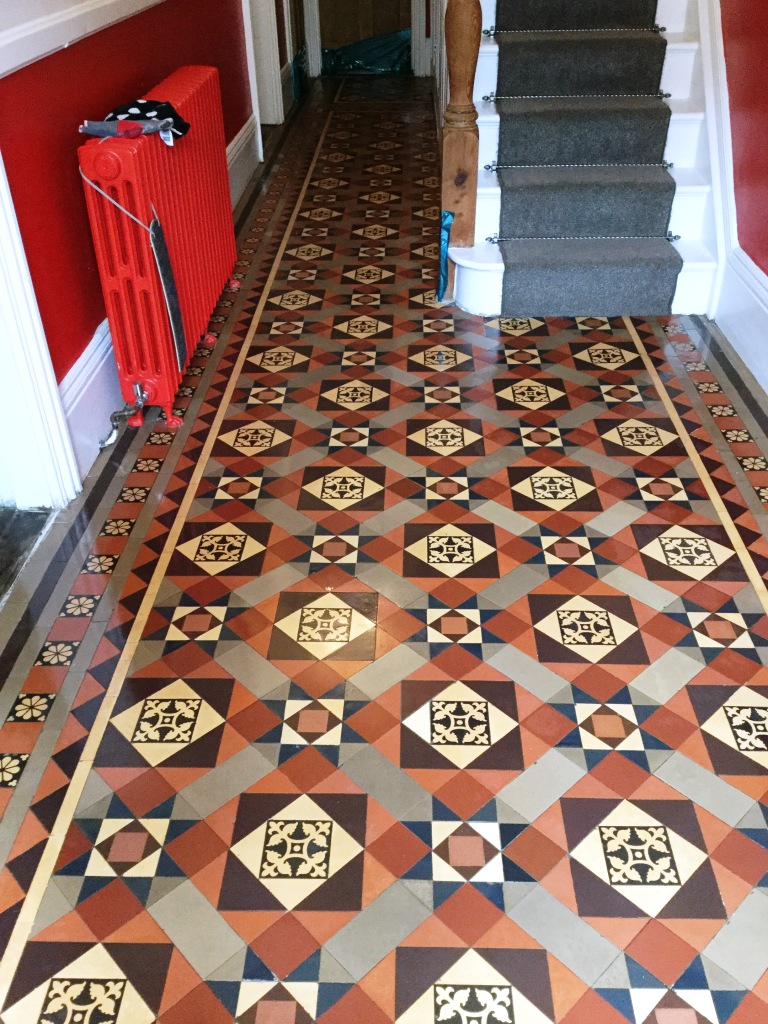
Upon returning the next day I tested the moisture content of the floor and was pleased to find that it was well within acceptable levels for the application of the sealer that I was planning to use. I quickly checked the floor for areas that I felt may be able to be improved and once satisfied a single coat of matt-finish, colour-enhancing sealer called Colour Grow was applied before two coats of a Seal and Go sealer was used to give the floor a satin finish, which I think gives it a slight glaze and freshly mopped appearance.

Victorian Tiled Hallway Broadclyst Farmhouse before cleaning

The customers were thrilled and said that they wished they had brought me in sooner!


Source: Victorian Tile Cleaning and Sealing Service in Broadclyst, Devon

Friday, January 26, 2018

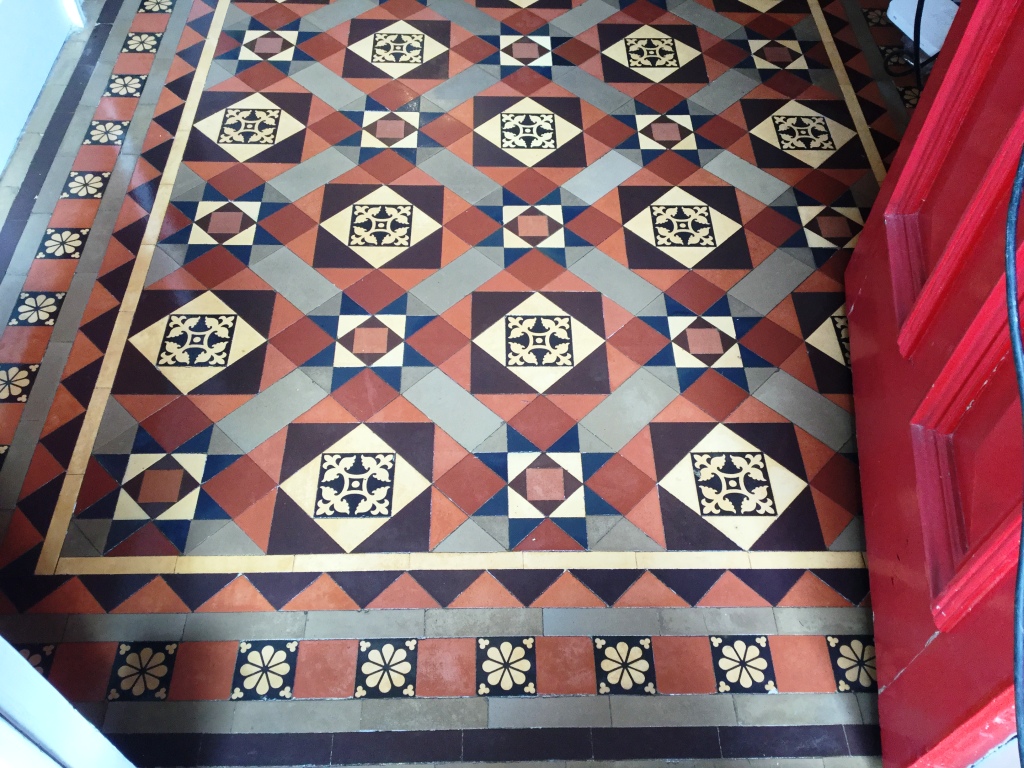
Restoring the Appearance of Victorian Hallway Tiles in Norfolk

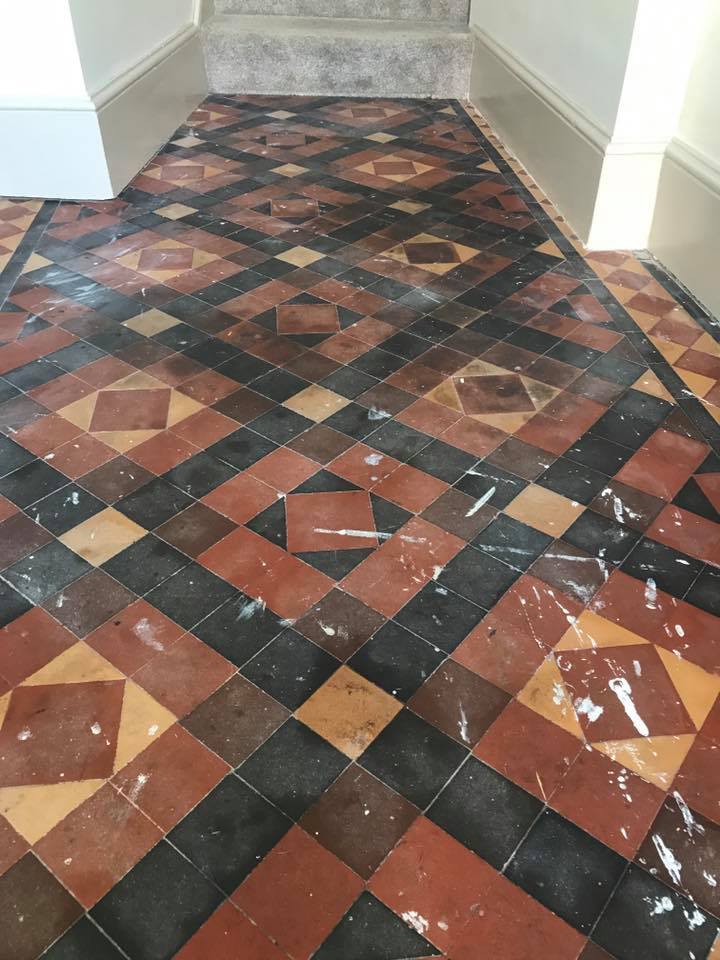
There are thousands of Victorian tiled hallways in and around Norwich and I often get called to work on them, however this was a particularly abused and neglected example I thought you might find interesting. The surface had clearly been both painted red at some point (possibly with an old lead-based paint) and then completely covered with rubber-backed underlay and carpeted, a thick layer of double-sided carpet tape remaining firmly stuck in patches around all the edges of the floor area.

Victorian Hallway Floor Tiles Before Cleaning Norwich


Cleaning a Victorian tiled floor

Firstly, we cleaned the whole area using a strong solution (1:3) of Tile Doctor Pro-Clean, which is a high alkaline stripper and cleaner, agitated with a black scrubbing pad fitted to a rotary machine. All products and slurry were then power rinsed and vacuumed away to reveal the improved floor. There were still a significant number of glue patches and paint spots around the edges of the floor, so these were tackled using Tile Doctor Remove & Go, which softened them enough to enable us to remove them with a sharp-bladed scraper. Unfortunately, the decaying rubber underlay had left a pattern on the tile surface which was most obvious at the doorway into the terracotta tiled kitchen. We almost completely removed this using Tile Doctor Oxy-Gel which being in gel form allows it work on the problem area longer. It was painted on a brush and kept moist for two hours under a layer of cling film which drew out virtually all the contaminant from the tile. The next concern was that an original Victorian floor of this age would almost certainly have no damp proof membrane and an area near the front door which showed evidence of efflorescence salts was treated with Tile Doctor Acid Gel in order to remove the white deposits and further inhibit the production of more in the future. The whole area was then lightly buffed using the rotary machine and a 1500 grit diamond pad with water in order to remove any remaining fine paint spots and restore a silky feel to the surface of the tiles before leaving the floor to dry overnight with assistance from our dehumidifier.


Sealing a Victorian tiled floor

When we returned the following morning, our damp meter showed us that the moisture content in the substrate was probably going to be too high to allow us to use an acrylic sealer to provide the sheen which the client had requested; so we decided to spray-buff the floor using a 3000 grit diamond pad on the rotary machine followed by the application of Tile Doctor Colour Grow, a colour enhancing penetrating sealer which sits just below the surface of the tile and leaves no visible finish. Finally, the whole floor was spray buffed to a low sheen with a white maintenance pad on the rotary machine and any resulting dust vacuumed away.

Victorian Hallway Floor Tiles After Cleaning Norwich

The Victorian tiles now look fantastic and have become a great asset to the property as original features like these are very sought after.


Source: Victorian Tile Cleaning and Restoration Service in Norfolk