Wednesday, November 26, 2025

How to Seal Limestone Tiles

 Installing limestone tiles can provide you with a very beautiful space for your floor or backsplash. In order to keep the tiles looking good over the long-term, you will need to regularly seal them. Limestone is a porous substance and as such, requires sealing to keep from staining. Here are the basics of how to seal limestone tiles effectively.

What You'll Need:

  • Limestone sealer
  • Rag
  • Broom
  • Limestone cleaner
  • Mop
  • Fan

Step 1: Clean the Area

Thoroughly clean the area before you seal it. If you don't clean the area, anything that is left on the floor will be sealed into the floor and end up looking bad. Start out by sweeping the room and removing any dust that you can. You may want to mop the floor as well, with a certified limestone cleaner. This will eliminate any dirt or residue that is left on the tiles.

Step 2: Apply the Sealer

After the tiles have dried from cleaning, apply the sealer as soon as possible. Apply the sealer with a rag or mop and cover the entire surface of the tile.

Step 3: Allow to Dry

Before using the tiles, make sure that they have time to dry. You may want to point a fan on the tiles to speed up the drying process.


Source: www.DoItYourself.com

Thursday, November 13, 2025

How to Seal Limestone Tiles

 Installing limestone tiles can provide you with a very beautiful space for your floor or backsplash. In order to keep the tiles looking good over the long-term, you will need to regularly seal them. Limestone is a porous substance and as such, requires sealing to keep from staining. Here are the basics of how to seal limestone tiles effectively.

What You'll Need:

  • Limestone sealer
  • Rag
  • Broom
  • Limestone cleaner
  • Mop
  • Fan

Step 1: Clean the Area

Thoroughly clean the area before you seal it. If you don't clean the area, anything that is left on the floor will be sealed into the floor and end up looking bad. Start out by sweeping the room and removing any dust that you can. You may want to mop the floor as well, with a certified limestone cleaner. This will eliminate any dirt or residue that is left on the tiles.

Step 2: Apply the Sealer

After the tiles have dried from cleaning, apply the sealer as soon as possible. Apply the sealer with a rag or mop and cover the entire surface of the tile.

Step 3: Allow to Dry

Before using the tiles, make sure that they have time to dry. You may want to point a fan on the tiles to speed up the drying process.

Source: www.DoItYourself.com

How to Remove Staining and Renovate Black Slate Flooring

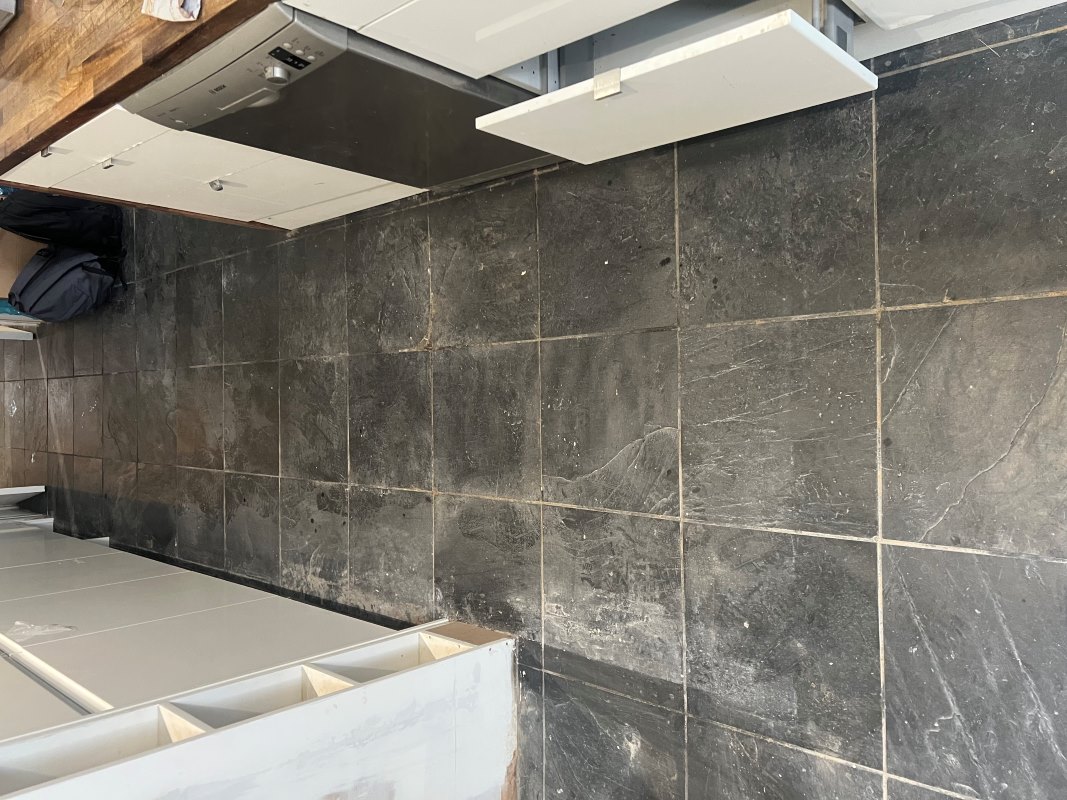
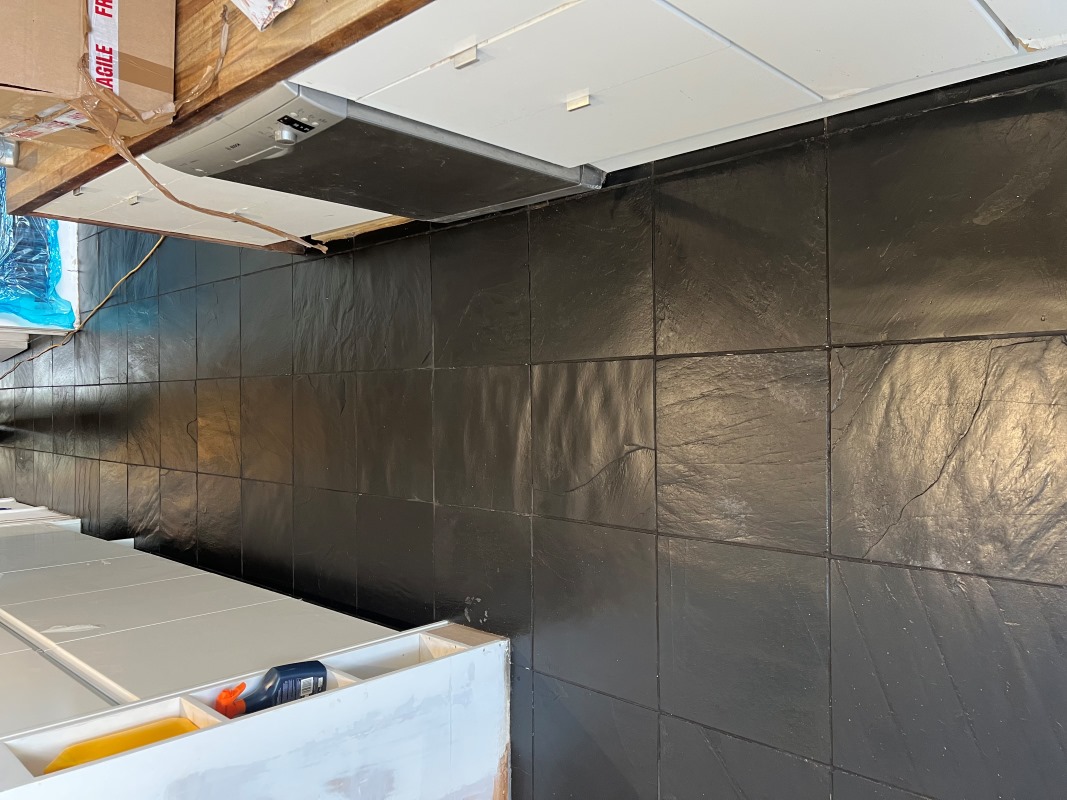
We received an enquiry from a property developer who had been renovating a property in Acton and needed our help to renovate the Black Slate tiles that had been installed throughout the ground floor. The slate floor had been down over 20 years and ran throughout the downstairs living space. Due to all the work being carried out the black slate had become very dirty with building material and had turned white with staining in many areas. They were uncertain if the floor could be restored but were reluctant to consider relaying it due to the expense.

Slate Floor Before Renovation Acton

As usual I went over to the property to understand the nature of the staining and work out the best products and processes for the renovation. There were multiple floors that needed attention so I measured up and worked out a detailed quote that included all the materials that would be needed. After reviewing the quote, I was given the go ahead and a date agreed for the work to start.

Cleaning a Slate Tiled Kitchen

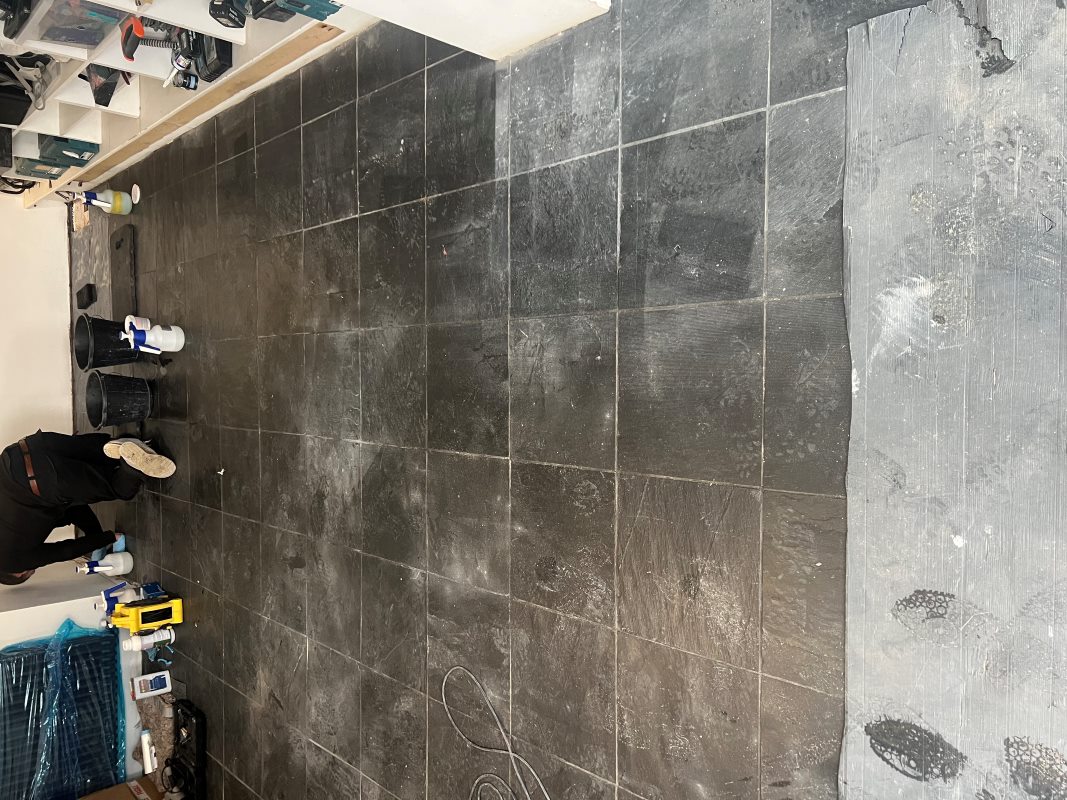
To clean the floor, a strong solution of Tile Doctor Pro-Clean was applied to the floor and then scrubbed in with a black buffing pad fitted to a rotary machine. These pads can struggle to reach into the grout lines so they were given an extra clean using handheld scrubbing brushes. This combination brought the dirt out of the floor to the surface where it could be extracted with a wet vacuum.

Slate Floor During Renovation Acton

Tougher stains on the tiles were spot treated using more Pro-Clean and some of the grouting had to be scrubbed harder with wire brushes until the whole floor was consistently clean throughout.

Slate Floor During Renovation Acton

Once done the floor was rinsed with a very weak dilution of Tile Doctor Grout Clean-Up to further clean the floor and neutralise it following the use of Pro-Clean which is a strong alkaline. The solution was then extracted with a wet vacuum and floor left to dry.

Sealing a Slate Tiled Kitchen

Once dry it was time to seal the floor which will protect it from ingrained dirt and enhance the finish. For this Tile Doctor Stone Oil was applied which being oil-based really improves the texture and dark colour of the stone.

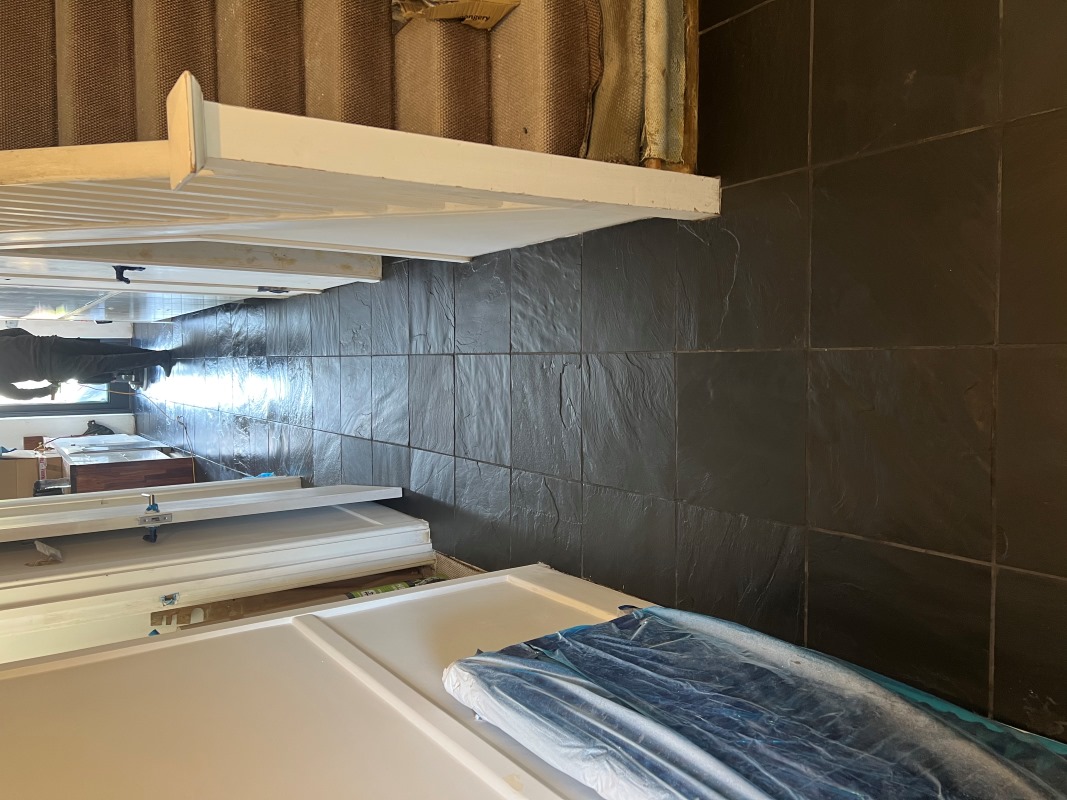
The sealer is applied using a microfibre cloth and any excess product is wiped off before buffing with a white buffing pad on the rotary machine. This left a nice sheen to the tile and a consistent look throughout.

Slate Floor After Renovation Acton

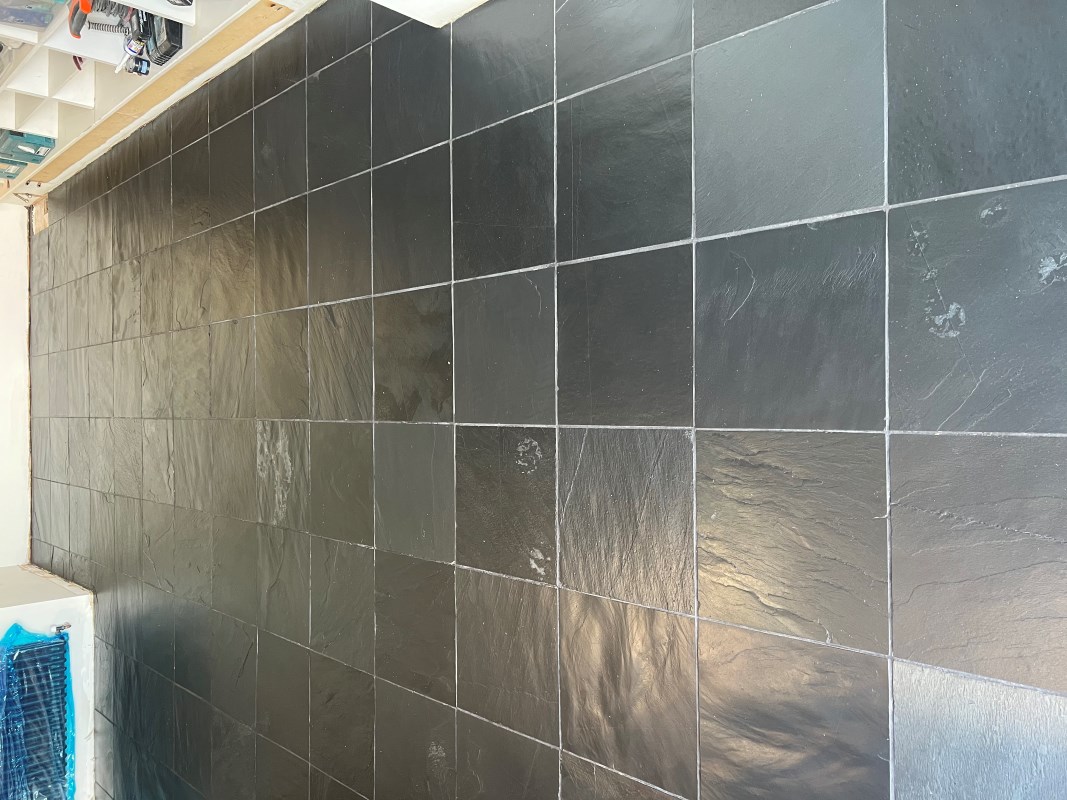
Our client was very happy with the finish, the Slate and Grout had been transformed and the sealer had really enhanced the look of the slate. For aftercare we recommended using Tile Doctor Neutral Cleaner which will provide effective cleaning whilst not impacting the seal.

Slate Floor After Renovation Acton


Source: Black Slate Floor Cleaning and Sealing Service near Acton London

Wednesday, November 12, 2025

How to Set Hexagonal Tile

Hexagonal tile can look wonderful in a room, giving something akin to a mosaic effect. However, it looks as if it can be very awkward to lay, making sure that all the tiles fit properly. Knowing how to lay hexagonal tile properly is important as is having the correct materials.

What You'll Need:

  • Thinset
  • 5 gallon bucket
  • Drill with mixing attachment
  • Trowel with 3/16 inch notch
  • Grout
  • Rubber float
  • Sponge
  • Level
  • Tile nipper
  • Utility knife
  • Vacuum cleaner

Step 1 - Prepare

Begin by cleaning the floor of the room thoroughly. Use a broom and dustpan and follow up with a vacuum cleaner, using the hose and nozzle to reach into all the corners and crevices. Once the floor is ready, put the thinset into the 5 gallon bucket and mix it up following the instructions. Use a drill with a mixing attachment to ensure that the thinset is fully mixed.

Step 2 - Buy Hexagonal Tile

When you go shopping for hexagonal tile, you’ll find that they’re not packed individually. Instead, they’re glued to a mesh sheet in the same manner as mosaic tile. This makes it easier to lay the tile as there’s no need to position every single tile, just all the sheets. Where most tiles are set out according to reference points marked on the floor, working outward from the center, with hexagonal tiles you begin the process at the corner opposite the door and work to the exit.

Step 3 - Install First Tiles

Start by using the tile nipper to trim the tiles and the sheet so that the tiles fit squarely in the corner. Keep trimming until you’ve achieved good, straight edges on both sides of the corner and dry fit until you’re satisfied.

Having mixed up the thinset, use the mastic trowel to put some on the floor. Be certain to only cover a small amount of the floor at any one time. It should be small enough that you can reach across it to lay the tile without standing on kneeling in the thinset. Lay the first sheet of tile and put the level on press, moving it across the sheet to work out all the air bubbles.

Step 4 - Add Remainder of Tiles

From here work out from the corner, spreading more mastic and laying the sheets of tile. Some will need to be trimmed with the tile nippers for an even fit with the walls. Use the level on each sheet to ensure no air bubbles remain and that the tiles are level. Continue until you’ve covered the entire room and leave to dry.

Step 5 - Add Grout

Mix the grout up in a clean 5 gallon bucket. With the float, spread it across the tile on the floor so that it fills the gaps between the hexagonal tiles. Have another bucket with clean water and a sponge. Use the wet sponge to clean off the excess grout from the tiles, wring it out regularly as you go.


Source: www.DoItYourself.com